
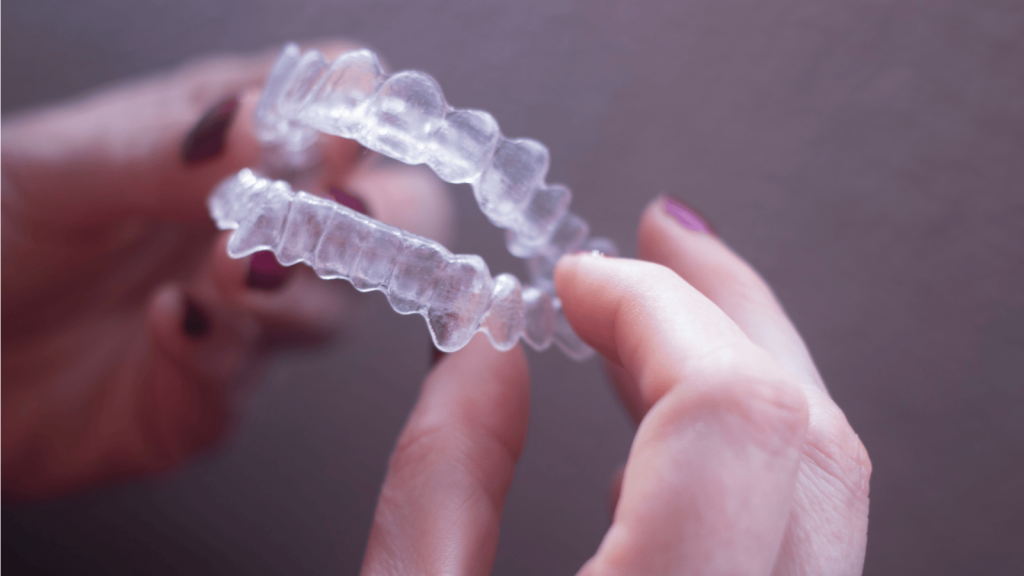
You just got your braces or Invisalign off, and wow, what a relief, right? That first bright, confident smile that moment, all the poking, tightening, and occasional soreness paid off. But hang on a sec, are you ready to say goodbye to all your orthodontic gear forever? Not quite. Retainers are your secret weapon for locking in that gorgeous alignment. They are the unsung heroes of orthodontics, quietly doing the work long after the spotlight’s gone. Wear them right, and you will enjoy that perfect smile for years to come. In this guide, we will cover why retainers are so important, how to wear and care for them, and what happens if you don’t keep up. Plus, simple tips to make your life easier.
So, Here’s The Straight-Up Answer In Just A Few Lines
Retainers make sure your teeth don’t shift back to their original spots. No matter how great your treatment was. They stabilize the bone and tissues around the teeth as your mouth adjusts. Skip them, and your teeth might “relapse,” undoing months or years of progress.
Picture it like planting a tree. You have got to hold it in place until the roots take hold. Your smile functions the same way. Those tiny pieces of plastic or wire are the guardians of all the effort you have put in.
Why Retainers Are A Big Deal?
You might ask, “Why can’t I just skip them?” Fair question. Here’s the deal:
Retainers have a natural tendency to shift. Our teeth are stubborn little creatures. Studies show that noticeable teeth shifting can begin within days or weeks after braces removal if retainers are not worn. The first 3 to 6 months are critical for stabilization, as bone and tissue are still remodeling around the teeth. Shifting without retainers can occur rapidly during this period.
Retainers are important for bone remodeling. Once teeth move, the bone around them takes time to harden and settle, sometimes 6 months to 2 years.
Retainers have soft tissue memory. Your lips, cheeks, and tongue have gotten used to your old alignment. They can gently push your teeth back if you don’t reinforce the new position.
Types of Retainers and Their Handling
Before we talk about caring for retainers, let’s get to know the different types you might have. Each one has its perks, and knowing how to handle yours is half the battle.
Removable Retainers (Hygienic and Flexible)
Essix (clear plastic) are easy, discreet, and simple to pop in and out. Hawley (wire and acrylic) is durable, adjustable, and retro-cool.
Wear them full-time at first (usually for 3–6 months), then shift to nights.
Permanent (Bonded) Retainers
Thin wire glued behind, no one sees it, and it’s always working, even when you forget your routine. But they require extra cleaning attention.
Caring For Your Retainer (Because You Are Worth It)
Keeping your retainer clean isn’t just about looks. It’s about keeping your mouth healthy and your appliance working its best. A little everyday attention makes a big difference.
| Retainer Type | Care Tip |
| Detachable | Rinse after meals; brush gently with a soft brush. |
| Fixed | Floss carefully; use interdental brushes. |
Also, soak clear retainers weekly in a mix of 1 part white vinegar to 3 parts water or a non-bleach denture cleaner. It’s quick, easy, and keeps things fresh.
What Happens If You Don’t Wear It?
Let’s be real: life gets busy. You might slack off. But even wearing a retainer just a few nights a week helps. Skip it long enough, though, and you might face:
- Crooked teeth creeping back
- Discomfort in the jaw or a misaligned bite
- Having to go back into treatment (yikes, extra cost and time)
- Speech changes or a slight lisp returning
- Food is getting stuck more easily due to shifting gaps
A staggering 50% of orthodontic relapse happens within the first two years!
Making Retainers a Habit
Maintaining your retainer regimen doesn’t have to be difficult. It’s all about small, simple tricks that make it second nature.
- Keep a small case in your nightstand or purse; easy access means you are more likely to use it.
- Set a phone reminder for “Retainer time!” 5 pm every day.
- Have a backup pair made, just in case the original gets lost or cracked.
- Pair it with another nightly habit, like skincare or reading, so it becomes part of your wind-down ritual.
- Keep a cleaning kit handy at home and in your bag, so there’s never an excuse to skip wearing it.
Conclusion
To achieve that perfect smile, you have already expended time, energy, and possibly some agony. Retainers are the small but mighty step that seals the deal, keeping your teeth aligned, your bite balanced, and your confidence soaring. Consider them the last, delicate product your mouth needs to seal in your stunning outcomes. Are you prepared to maintain your ideal smile? Reach out to Caswell Orthodontics in Honolulu today, and let them make sure your retainer game stays strong. After all, your smile deserves it.
Straight Talk About Retainers
Can the effectiveness of retainers be impacted by wisdom teeth?
Yes, your alignment may change if your wisdom teeth erupt after wearing braces. They can shift your alignment. Talk with your orthodontist about monitoring wisdom teeth and possibly adjusting your retainer or planning for extra care.
Will retainers affect speech long-term?
Mostly, speech adjusts in a day or two. Permanent wire retainers generally have a negligible effect on speech. If you notice lasting differences, your orthodontist can trim or reshape the retainer.
Do retainers help with teeth grinding (bruxism)?
Some clear retainers can double as gentle night guards. But if you grind hard, your orthodontist might recommend a sturdier protective appliance made for grinding.