
Ever stared in the mirror and wished your smile looked a little straighter? But did you feel overwhelmed by the thought of wearing metal braces? Or maybe you have heard about Invisalign and want to know about the efficacy of those transparent aligners. Selecting the best orthodontic treatment involves more than just straightening your teeth. What works best for your everyday life is what matters. Ultimately, it doesn’t matter if you are a busy professional or simply want to feel more confident. Your lifestyle makes all the difference. In this blog, we will break down the key differences between Invisalign vs braces. Look at how each option fits into various routines. And assist you in determining which one could be perfectly matched to your situation.
So, What’s The Deal?
If you want discreet treatment and more freedom with eating and oral hygiene. Invisalign may be the best fit for your smile. But if you need to tackle more complex bite issues or prefer a hands-off approach. Braces could be the best option in your case.
It comes down to what kind of commitment you are comfortable with and the specific results you are after. Plus, your lifestyle, whether you are always on the move or prefer something more set-and-forget. It is really important.
Since everyone has various schedules and teeth, being aware of the advantages and disadvantages now will help you save yourself stress and lost time down the road. Making the right decision here will make your orthodontic journey much more seamless.
Managing Orthodontics and Life: Should I Get Braces or Invisalign?
There are more considerations than only cost or appearance when choosing between braces and Invisalign. It’s about how the treatment interacts with your daily habits and even your plans.
What’s Invisalign?
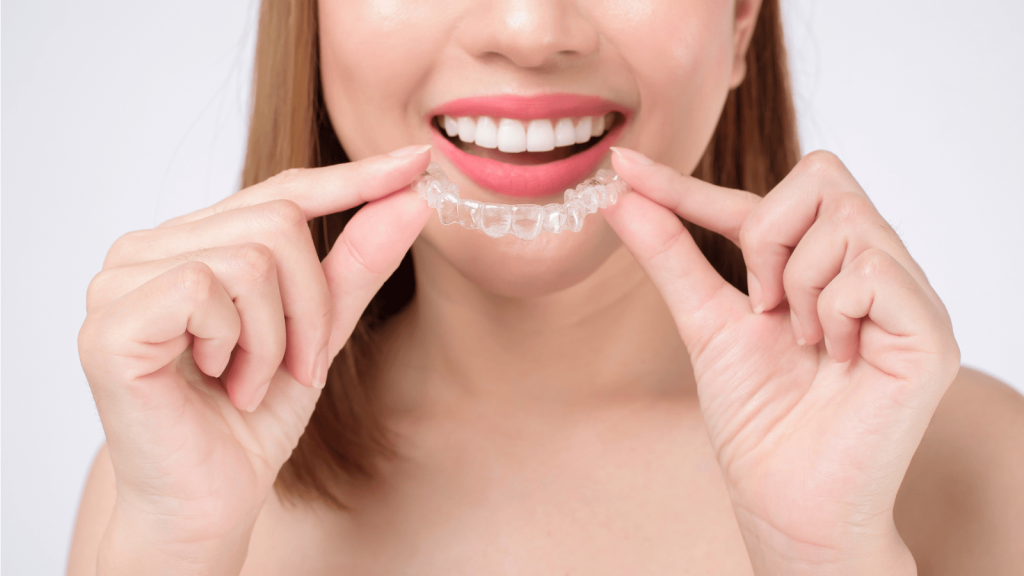
Invisalign uses a series of clear and removable aligners custom-made to fit your teeth. Every couple of weeks, you swap out the current set for a slightly different one that moves your teeth gently into place. Think of it like swapping your phone case regularly, except it’s for your teeth!
They are barely noticeable. You can flash your grin at that big meeting or your friend’s wedding without feeling self-conscious. Plus, since you can take them out, eating your favorite foods, whether it’s caramel popcorn at the movies or a crunchy apple at your desk, is hassle-free.
Invisalign works best if you are disciplined about wearing your aligners for 20–22 hours a day. Miss too many hours and the treatment can drag on or, worse, fail to deliver the results you want.
Braces: A Trusted Solution
Traditional metal braces fix to your teeth with brackets and wires. They are far from invisible and come with a reputation for being a bit of a hassle when it comes to meals and oral care.
But braces have been around for decades because they are seriously effective. Especially for complex issues like severe overcrowding, big gaps, or bite irregularities. You don’t have to think about taking them out or putting them back in. It’s all handled by your orthodontist.
You will need to avoid sticky or hard foods (sorry, no caramel or popcorn for a while), and oral hygiene takes a bit more elbow grease.
Lifestyle Considerations to Keep in Mind
Each option fits into your everyday life. Because when it comes to straightening your smile, the little things, your habits, your social scenes, and how you take care of your teeth, make a big difference.
Your Daily Routine
If your mornings are already chaotic, the idea of removing and cleaning aligners might feel like one too many steps. Remember, Invisalign requires a commitment to consistent wear and regular cleaning.
In contrast, braces are always on. No thinking and no fuss. But fasting from your beloved popcorn or chewing gum? True, that can be uncomfortable.
Confidence and Your Social Life
If you are often in the public eye or on video calls, Invisalign’s discretion is a huge plus. No one will even notice you are wearing them unless you tell them.
Braces, on the other hand, might make you feel self-conscious, especially at first. But plenty of people find they get used to the look quickly. Sometimes it even becomes a conversation starter.
Oral Hygiene Habits
Braces can feel like tiny food traps that challenge even the most diligent brushers. You might find yourself building up a little routine with special brushes and flossers.
Invisalign, removable by design, means you brush and floss like normal, making it easier to keep your teeth pristine.
Treatment Time and Expenses
Both treatments vary depending on complexity and location. But Invisalign can run a bit higher. In the U.S., braces usually hover around $3,000–$7,000, while Invisalign might go $4,000–$8,000.
The duration of treatment varies greatly. On average, Invisalign takes around 12–18 months. Braces might take the same or sometimes longer, especially if you are fixing more serious issues.
Insurance may only cover a portion of the braces, but it can still be helpful. Invisalign coverage tends to be less common, so check your policy closely.
Wrapping It Up
Which option is right for you? “It’s up to you,” is the honest answer. If you value simplicity and understatement and are prepared to use the aligners regularly. For your lifestyle, Invisalign might be the best option. But if you are looking for a less intrusive way to deal with complex dental issues, regular braces are still a wonderful option. In any event, the best course of action is to consult with an expert who understands your bite, your goals, and your lifestyle. Our team at Caswell Orthodontics combines the newest technology with individualized care to customize your treatment to your preferences. Schedule a consultation today and start your journey to the smile you deserve, with options laid out, no surprises.
FAQs
Can Invisalign fix severe overbites or underbites?
While Invisalign is great for mild to moderate bite issues. Severe overbites and underbites usually respond better to traditional braces. It provide stronger control over tooth movement.
How does wearing braces affect speech compared to Invisalign?
At first, braces may result in mild speech abnormalities or transient lisping. However, most people adjust fast. But most people adapt quickly. Invisalign aligners are smooth and removable. They generally have a minimal impact on speech once you get used to them.
Can you switch from braces to Invisalign mid-treatment?
Yes, in certain situations. Your orthodontist may switch you to aligners if your teeth have shifted into a position that is appropriate for Invisalign. This is contingent upon the demands and progress of each patient’s treatment, though.