
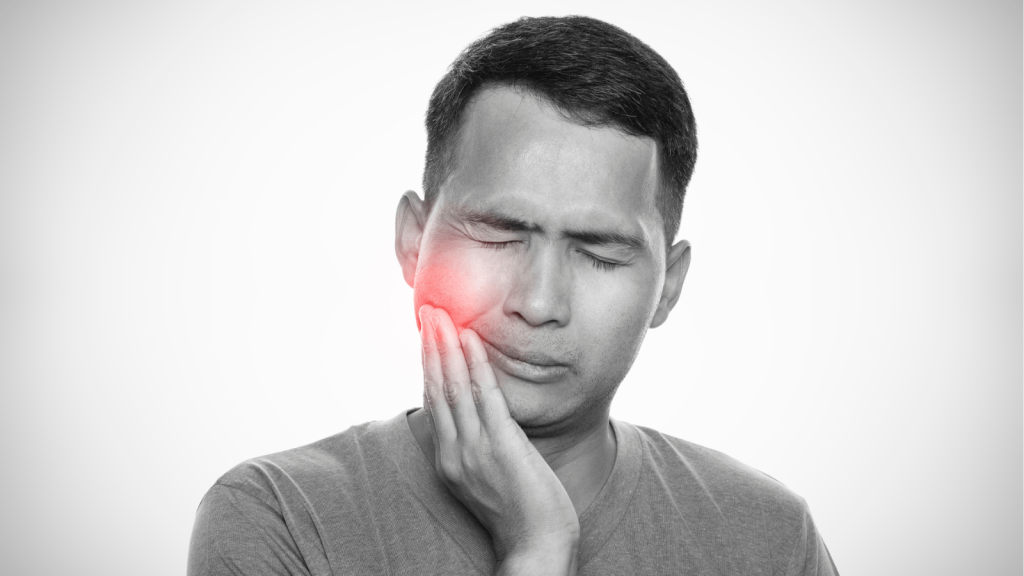
Ever wake up with a sore jaw or hear a little pop when you yawn? It’s frustrating and sometimes a bit scary. Jaw pain and TMJ can mess with your daily life more than you’d think. Some people blame stress or grinding, but your teeth and bite might be part of the problem. That’s where orthodontic treatment care can really help. We will explain what TMJ and jaw pain are. We will discuss how a bad bite adds extra stress and how braces or aligners can ease the discomfort.
What Is Jaw Pain and TMJ?
The TMJ is the hinge joint connecting your jawbone to your skull. It allows you to open, close, chew, and talk. If they are misaligned or stressed, they squeak and hurt.
Jaw pain means there is muscle soreness and joint clicking. Also, there is limited opening and headaches.
Causes are many: bad bite (how teeth meet), teeth grinding (bruxism), stress, arthritis, and even posture (yes, that tech neck thing).
How Misaligned Teeth and Bite Problems Can Contribute To Pain
If your bite is off, say your teeth don’t meet properly, or one jaw is more forward/backward, your TMJ and jaw muscles have to work extra. Over time, that puts strain on muscles, causes uneven wear, and maybe even joint inflammation. Examples:
- Underbite and crossbite each can shift force distribution when you chew.
- Crowded teeth might force the jaw to shift slightly.
- Missing teeth or uneven height of teeth could tilt the bite plane.
So your jaw might compensate. And that compensation often leads to soreness, TMJ pain, etc.
Can Orthodontic Treatment Help?
Yes, but with realistic expectations. It’s not always magic. Each situation is different. By fixing the bite, braces or aligners can help lessen TMJ problems and jaw discomfort:
- Bite alignment: When your upper and lower teeth fit together properly, the stress on your jaw is spread out more evenly. This eases the pressure on the TMJ.
- Improving the posture of the jaw: Splints or other specialized tools help the jaw rest and chew properly, reducing joint stress and increasing comfort.
- Muscular force balance: If you adjust your bite, your muscles won’t pull unevenly. That helps reduce muscle fatigue and pain.
- Reducing oral parafunctional habits: Sometimes, with orthodontic treatment, you become more aware of teeth grinding and clenching, etc. Orthodontists may suggest night guards or behavioral changes.
- Long-term joint health: Certain studies indicate that early treatment of malocclusion could help prevent the progression of TMJ problems.
What Orthodontics Might Not Address
If the joint has serious damage, like worn cartilage or arthritis, braces can’t fix it. Pain might also come from habits like teeth grinding or from health issues such as arthritis or inflammation. Those need other interventions.
Orthodontic treatment itself may temporarily increase discomfort from shifting teeth, and bite adjustment can strain muscles.
A recent observational study (152 patients, fixed appliances) found that about 23.7% had painful TMD symptoms during treatment, and headaches in ~26.4%.
What Types of Orthodontic Treatments Help
These are the tools in the toolbox that depend on what your issues are:
| Treatment Type | What It Does For Jaw/TMJ Relief |
| Braces (fixed appliances) | Move teeth to improve how upper/lower teeth meet; adjust bite, reduce strain. |
| Aligners (clear aligners) | Similar to braces for many cases, gentler for some people; less interference in the mouth may mean less irritation. |
| Functional Appliances (e.g., bite-guards, splints, retainers that adjust the jaw) | Help reposition the jaw, absorb shock, protect from grinding, and guide growth in kids. |
| Jaw surgery (orthognathic) + orthodontics | In severe skeletal cases (big jaw discrepancies), surgery may be needed to correct jaw alignment, combined with braces for full correction. |
Adjunctive and behavioral therapy | Exercises, physical treatment, stress management, and night watchmen. Although not strictly orthodontic, it is frequently necessary for complete relief. |
How To Tell If Orthodontic Treatment Is Right For You
First, get a proper diagnosis. An orthodontist should examine TMJ, maybe with imaging (X-ray, CBCT). Ask about pain, clicking, and headaches. See if the bite/malocclusion is part of the problem. If your jaw pain is purely from other causes (arthritis, nerve issues, etc.), then bite correction may help less.
Ask about the treatment plan. Will it help with jaw alignment and habits like clenching? Keep in mind, you might feel some temporary discomfort while the treatment is in progress. Be patient. Orthodontic changes, muscle adaptation, and bite settling take time (often months to years).
What To Expect
Timeline: For mild/moderate misalignments, 12-24 months is common. If jaw surgery or big skeletal correction is needed, longer. Muscle relief may begin earlier.
Pain/discomfort: Yes, shifting teeth can cause sore teeth, perhaps more strain early on. But many people say jaw pain improves gradually once the bite becomes more balanced.
Cost: Depends on case severity and type of braces/aligners. Also, on whether surgery is needed. Also depends on your location; you can ask for a consultation and estimation.
Risks/trade-offs: Root resorption (rare), relapse if retainers are not used, maybe an initial increase in joint sounds or discomfort before improvement.
Advanced Tips To Maximize Benefit
Before we wrap things up, let’s switch gears and talk about what your orthodontist can do on their end to make sure your jaw gets the maximum benefit. Here are a few smart moves they usually keep in mind:
- Screen for TMJ issues before starting orthodontics.
- Utilize imaging and strategies that take joint health into account (the position of the condyle and the condition of the disc).
- If needed, use functional devices or splints.
- Watch for any muscle soreness and adjust the treatment as needed.
- Post-treatment retention is important; relapse can cause bite shifts and return of pain.
The Bottom Line
Jaw pain and TMJ often come from more than one thing, but orthodontic treatment is a powerful tool for aligning teeth, balancing the bite, and easing muscle stress. It helps best when you work with an orthodontist who listens, evaluates fully, and treats not just the teeth but the whole jaw system. If you are in Oahu, HI and this sounds like stuff you are dealing with, get in touch with Caswell Orthodontics. Schedule a consultation, bring your pain/clicking / bite concerns, and ask questions. Your jaw will feel the difference.
FAQs
Can braces make TMJ worse before they make it better?
Yes, sometimes. When your bite starts shifting, muscles need time to adapt, so mild soreness or clicking may show up, but usually settles as treatment progresses.
Is early treatment (in kids/teens) better than waiting for adulthood for TMJ relief?
Usually yes. Growing jaws respond faster, and correcting bite problems early can prevent long-term joint strain, though every case still needs an orthodontist’s assessment.
Apart from fixed braces or aligners, are there non-orthodontic therapies you should combine for best results?
Definitely. Jaw exercises, night guards, stress control, and physical therapy work well alongside orthodontics to ease TMJ pain and protect the joint.