
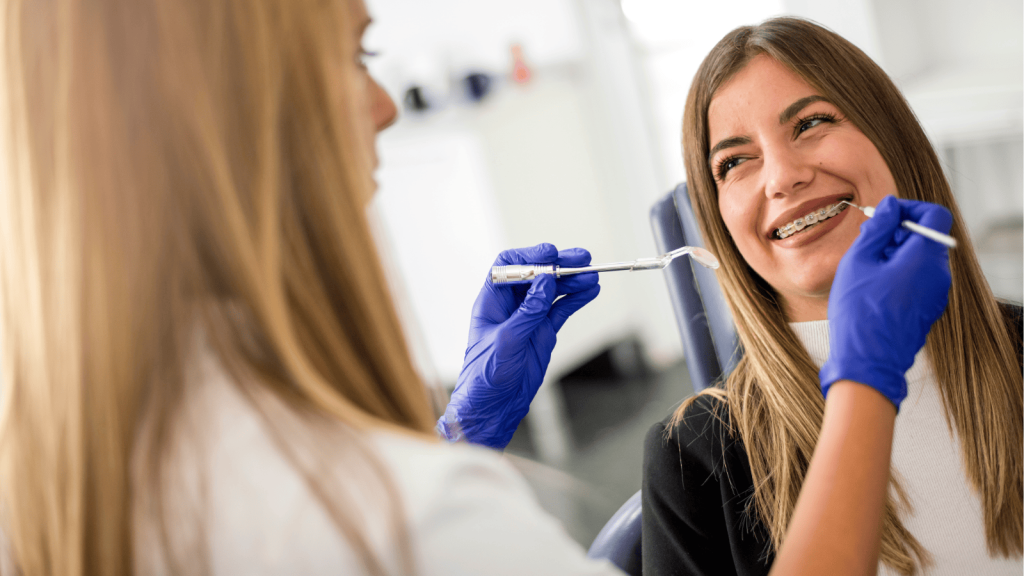
Have you ever caught yourself staring at your smile in the mirror and wondering, “What if I fixed these crooked teeth? But how long would that even take?” If you are thinking in that way, you are not alone. Orthodontic treatment, whether it’s traditional braces or those sleek, clear aligners, feels like a commitment. In some cases, it’s a lifetime commitment. But how long does it take to straighten your teeth and get that confident smile? It’s not forever. It varies way more than you might think. In this blog, we are talking about the full journey. From the first consultation, through adjustments, to that glorious day you get your braces off or finish your aligner sets. So if you are itching to know what the timeline looks like and what you can expect at each step, keep reading.
What’s the Typical Timeline for Orthodontic Treatment?
The majority of orthodontic procedures last between 12 and 36 months on average. The exact timeline depends on a bunch of things: your age, the complexity of the case, the type of braces or aligners you pick, and even how well you stick to the orthodontist’s instructions.
For simpler cases like mild crowding or minor spacing, treatment might be as quick as 6 months with clear aligners or braces. Someone with moderate to severe issues thinks big gaps, bite problems, or teeth that need major moving could be wearing braces for a solid 2 to 3 years.
Don’t forget about that “phase zero” stuff: the initial consultation, getting x-rays, impressions, or digital scans. That can take a few weeks before you even get your first bracket or aligner.
The Journey of Getting Braces or Aligners
Every smile transformation follows a clear path. Each stage plays an important role in shaping your perfect smile.
Consultation and Treatment Plan (1 to 3 weeks)
This is the phase in which orthodontists ask about your goals. They perform X-rays and create a digital scan of your teeth. They then make a treatment plan for you.
You might think, “Can’t I skip this?” Nope. This is essential. It’s like a blueprint for your whole journey. Without a good plan, say goodbye to predictable timelines.
Getting Your Braces or Aligners (1 day to 1 week)
Putting on braces is usually a quick process, 1 or 2 hours. With clear aligners, it’s a bit different. Your orthodontist will give you several sets upfront, or you will get them in stages over weeks.
Active Treatment Phase (6 months to 3 years)
This is the “workhorse” phase, where your teeth slowly but surely move to their new spots. If you have traditional braces, you will visit your orthodontist every 4 to 8 weeks for adjustments. These appointments are super important to tighten or reposition wires and check progress.
With aligners, you swap out trays every 1 to 2 weeks, and your teeth gently glide into place. But you must wear those aligners 20 to 22 hours a day.
Aligner Finishing or Debonding (1 day)
This day marks the end of brackets and wires for braces. You might feel a mix of relief and excitement! For aligner fans, this usually means you are on your last tray and that perfect smile is just about to make its big reveal.
Retention Phase (Months to years after treatment)
Don’t pack away that retainer right after treatment ends. Teeth like to go back to their old ways; it’s called “relapse.” Most orthodontists recommend keeping retainers at night for years, sometimes for life. It’s the secret to keeping your smile looking fresh.
Why Does Orthodontic Treatment Length Vary So Much?
It truly relies on a variety of individual circumstances, including your treatment preferences and behaviors. What typically causes the difference is as follows:
- Naturally, more complicated dental problems like misaligned jaws or significant overbites take longer to correct and require more time.
- Adults move more slowly, but younger children often notice faster results because their teeth and bones adjust more readily.
- For some tooth movements, traditional braces may move a little more quickly, but aligners are more comfortable and look better.
- Months of delay can be avoided if you follow your orthodontist’s instructions, such as wearing rubber bands or aligners correctly.
- Modern technology and an experienced orthodontist help assure that your treatment is fast and completed on time.
Average Timeline
If you prefer numbers, here is a quick summary of how long different treatments take and what happens during the procedure.
| Treatment Type | Typical Duration | Visits Frequency | Notes |
| Traditional Braces | 18 – 30 months | Every 4 to 8 weeks | Suited for more challenging corrections |
| Clear Aligners | 6 – 24 months | Every 6-8 weeks approximately. | Great for mild/moderate adjustments |
| Early Interceptive Tx | 6 months – 1 year | Varies | For kids, guide jaw growth |
Little Roadblocks That Can Stretch Your Treatment Time
Even when the orthodontist says “12 months,” it sometimes ends up closer to 18 months or more. Why? Stuff happens:
- Skipping appointments or being late
- Damaging braces (hello, popcorn or hard candy!)
- Not wearing your elastics or aligners enough
- Dental hiccups like tooth decay or gum issues
Staying patient makes all the difference. Just think of it like growing your hair out. It takes longer than you want, but it’s totally worth it.
Final Thoughts
How much time does orthodontic treatment usually need? Between six months and three years. It depends on your desired smile and lifestyle. But here’s the good news: once you are on the path, every visit and every adjustment brings you closer to that smile boost you have been dreaming about. And it’s really worth the wait. If you are in Honolulu, Kahala or Mililani and thinking about getting started, Caswell Orthodontics offers personalized plans that fit your needs and timeline. We get how important a confident smile is and will walk you through the entire process with care. Book a consultation now. Your future self will thank you.
Common Questions
Is it possible to accelerate orthodontic treatment through the use of modern technology?
Advancements in technology, such as expedited orthodontics and laser therapy, can occasionally shorten treatment times by several weeks or even months. However, much is contingent upon your individual situation and the methodology employed by the orthodontist.
After treatment, do retainers have to be worn for the rest of one’s life?
Indeed. Teeth can shift back gradually over time, so permanent nighttime retainer use is often recommended to keep your new smile intact.
What factors cause relapse after orthodontic treatment?
Relapse can happen due to genetics, aging, or not wearing retainers as prescribed. Some people are more prone to shifting than others, so follow-up care is important.