
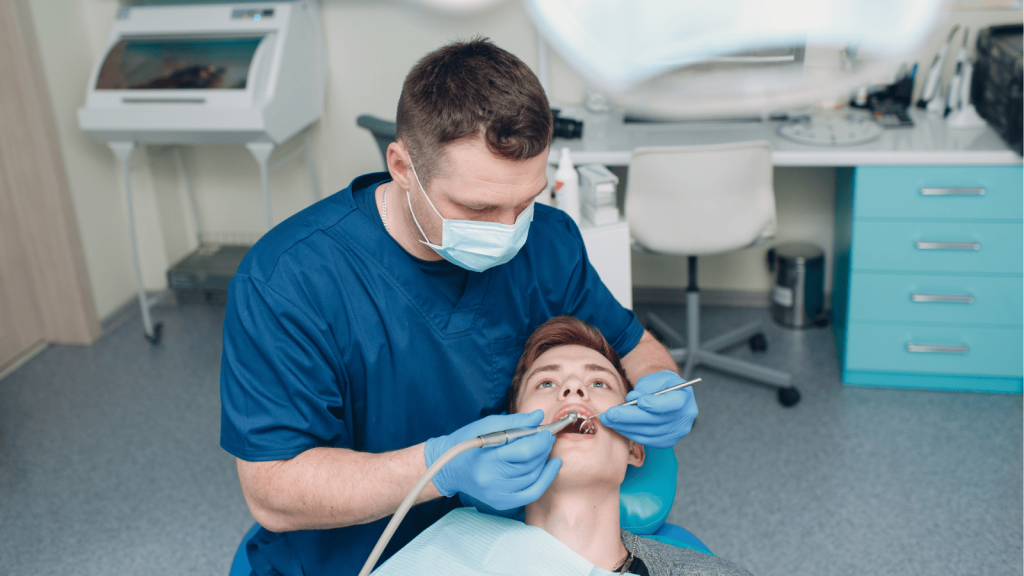
Have you ever been concerned to see your orthodontist too often or not often enough? You are not the only one. The majority of individuals initiate their braces or aligner treatment enthusiastically. But soon realize it’s not just about getting them on and waiting for the magic to happen. Regularity contributes significantly to how easily your treatment goes. But just how often do you actually need to go? Every month? Every few weeks? And what happens if you skip one? In this blog, we will talk about how often orthodontic checkups are needed, why they matter so much, what happens during these visits, and a few signs you might need to call your orthodontist sooner than planned.
The Real Timeline Behind Your Orthodontic Visits
Most individuals see their orthodontist every 4 to 8 weeks while being treated. That’s the norm for braces and for clear aligners. The reason for the variation is straightforward. Each smile is unique. Teeth move differently. Some require a little extra time.
For orthodontic braces, your orthodontist generally monitors the tension of the wire. Changes elastics and makes minor adjustments every 4–6 weeks.
For clear aligners, you may visit every 6–8 weeks because aligners are pre-made for every step. They still need to verify that everything’s going smoothly.
Think about it in this way. You wouldn’t sow a garden and never give it water. Correct? Orthodontic appointments are the treatment that continues to make your smile develop properly.
Why These Regular Visits Actually Matter
It’s tempting to think, “I will skip one appointment. It’s fine.” But here’s the thing: even one missed visit can slow down progress. Here’s why those check-ins matter so much:
| Reason | Why It Matters |
| Adjustment | Teeth won’t move by themselves. The wires or aligners need updates. |
| Observing | The way your teeth react to pressure is examined by your orthodontist. |
| Resolving Problems Early | Progress may be slowed by misfitting aligners or loose brackets. |
| Keeping Teeth Healthy | They also check for plaque buildup or gum issues. |
According to a study, missing more than one scheduled appointment can extend total treatment time by up to 20%. Those few minutes in the chair are totally worth it.
What Happens During Those Visits?
It’s not always about tightening wires. Here’s an example of what a normal visit could look like:
- Quick check-up: Your orthodontist examines your bite and any pain.
- Adjustments: Brackets or wires may be replaced or tightened slightly.
- Cleaning advice: They will remind you how to brush around brackets or clean aligners.
- Next steps: You will get your next aligner set or new elastic bands.
And that’s it. Usually 15–30 minutes max. You are in, you are out, and one step closer to that straight smile.
What If You Miss an Appointment?
We understand that everybody is now busy in their life. Skipping an appointment is rather like skipping a session at the gym if you are training for a marathon. If you skip once. It’s fine. Just don’t make it a habit. Because:
- Teeth might shift unpredictably.
- Wires could cause irritation or break.
- The total treatment time can stretch out for months longer.
If you find you will miss one. Call your orthodontist’s offices immediately. They will assist in rescheduling so your progress is not slowed.
Do Appointment Frequencies Change Over Time?
They do, and that’s actually a good sign.
In the early phase, you will visit more often. That’s when teeth are making the biggest movements. As things stabilize, visits might stretch to every 8–10 weeks.
And near the end of treatment, visits are for fine-tuning small tweaks to perfect your bite and alignment. So if your orthodontist starts spacing out appointments, don’t worry. It probably means your teeth are cooperating beautifully.
How Technology Has Changed the Game
Many orthodontists now use digital tracking tools. For example, some Invisalign users can check in with virtual scans through apps like Dental Monitoring.
That means fewer in-person visits without compromising results. Technology really is changing how orthodontic care works faster, smarter, and way more conveniently.
Still, it’s not a total replacement. Physical checkups are where your orthodontist can catch subtle things apps can’t, like gum health or wire tension.
How to Prepare for Your Visit
Let’s make sure your next appointment runs more smoothly. Here’s a concise checklist to keep you ready and confident:
- Brush and floss. Food caught in braces can hide issues.
- Note any pain or loose parts.
- Bring your aligners or retainers.
- Ask questions (write them down if you will forget).
You are a member of your own treatment team. The more engaged you are. The better your outcomes.
When Is It Appropriate To Step Outside Your Usual Schedule?
There are a few occasions when you should not wait for your next visit. Call your orthodontist right away if:
- A wire is poking or broken.
- A bracket has come loose.
- You are in pain that doesn’t go away.
- An aligner doesn’t fit properly.
Final Thoughts
Timely orthodontic appointments are the key to delivering your ideal smile. Each appointment keeps your treatment on track. Each appointment keeps your treatment on track. Catching small issues early helps your teeth move safely. It should be a partnership between you and your orthodontist. If you are in Honolulu and prepared to remain dedicated to your smile journey. Caswell Orthodontics is just a call away. Reach out to us today to book your next appointment and keep that smile progress going strong!
FAQs
Can I change orthodontists during treatment if I relocate?
You can. Most orthodontists can easily pick up where the previous one left off using your prior records and x-rays. Just make sure both offices coordinate your transition.
Do aligner patients have fewer appointments than braces patients?
Yes. Aligners have fewer adjustments. But periodic check-ins are still necessary to make sure everything’s on track.
Will more frequent visits have my treatment end sooner?
Not necessarily. It’s a question of intelligent timing. Not simply more appointments. Changes that are too frequent can really hinder progress or be uncomfortable.